


Doroshenko V.S. Physical and Technological Institute of Metals and Always of the National Academy of Sciences of Ukraine
[email protected], vol. 38-066-1457832, http://dorosh.domik.ua/
In the plan of development of foundry production of metal blanks for military equipment, aspects of product quality and increase the level of technical culture of production come out. One of the promising metallurgical technologies of mechanical engineering with high indicators of competitiveness is described - casting in gasified models. This technology is specialized in the Institute of the FIMS of the NAS of Ukraine, which has significant experience in introducing the technology of casting of impulse destruction of various sizes, boils of guns, anchors and screws for shipbuilding, cartridges of shipbuilding, as well as corps parts of fashion building.
CL. Words: military equipment, casting metals, casting according to gasified models, engines, shipbuilding, fluids.
over 75% of the castings of metal parts are obtained in sand forms. According to the technology of casting according to gasified models (LGM), the English -language name Lost Foam Casting Process, the models are made mainly from polystyrene foam (less often from other foams) and placed in dry sand forms without a binder. For almost 60 years since its occurrence, the annual volume of casting in the world in this way exceeded 1.5 million tons.
Competition in foundry with fast updating products instead of mass production cause demand for small and medium series of castings of high size-wing accuracy. At the same time, the development of foundry production is mostly accompanied by the creation of medium-sized workshops with flexible technologies for obtaining high accuracy and complexity castings, when the LGM method turned out to be the most suitable instead of casting in sand-clay forms, according to melted models, in metal forms or other methods.
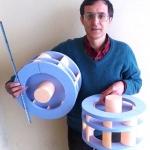
In this method of casting, getting a casting model means half a metal casting itself. The foam model of the casting is similar to the packaging from the TV (Fig. 1), or a one -time food plate, which are stamped in millions on machine guns, and the outer walls of the houses are insulated with polystyrene slabs. According to a similar technology for a series of castings, the models are produced from granules of polystyrene foam in light aluminum press forms when they are heated to ~ 130 ° C. For one-time and large castings (sometimes weighing up to several tons), cutting of foam plates is suitable, as well as cutting on milling machines with CNC, a large number of modifications of which appeared at an affordable price in the market recently. The model and the casting obtained on it have high accuracy and competitive presentation, which is facilitated by the coloring of the model with rapidly drying paint with the powder-hot.
You can freely see the casting in the model, measure its walls, which, with ordinary molding for complex castings with several rods, simply cannot be done. There is no displacement of rods and shapes during assembly (since there are no rods themselves). Usually, founders are not accustomed to such capabilities of LGM technology and casting quality, stereotypes learned in the institutes, inhibit the understanding of the potential of this technology. In fact, the detachable foundry form, as it were, “disappeared” in its traditional sense, it was replaced by a foundry in the form of filling the model with dry sand in a container. When pouring this form, the metal evaporates the model and replaces it with itself.

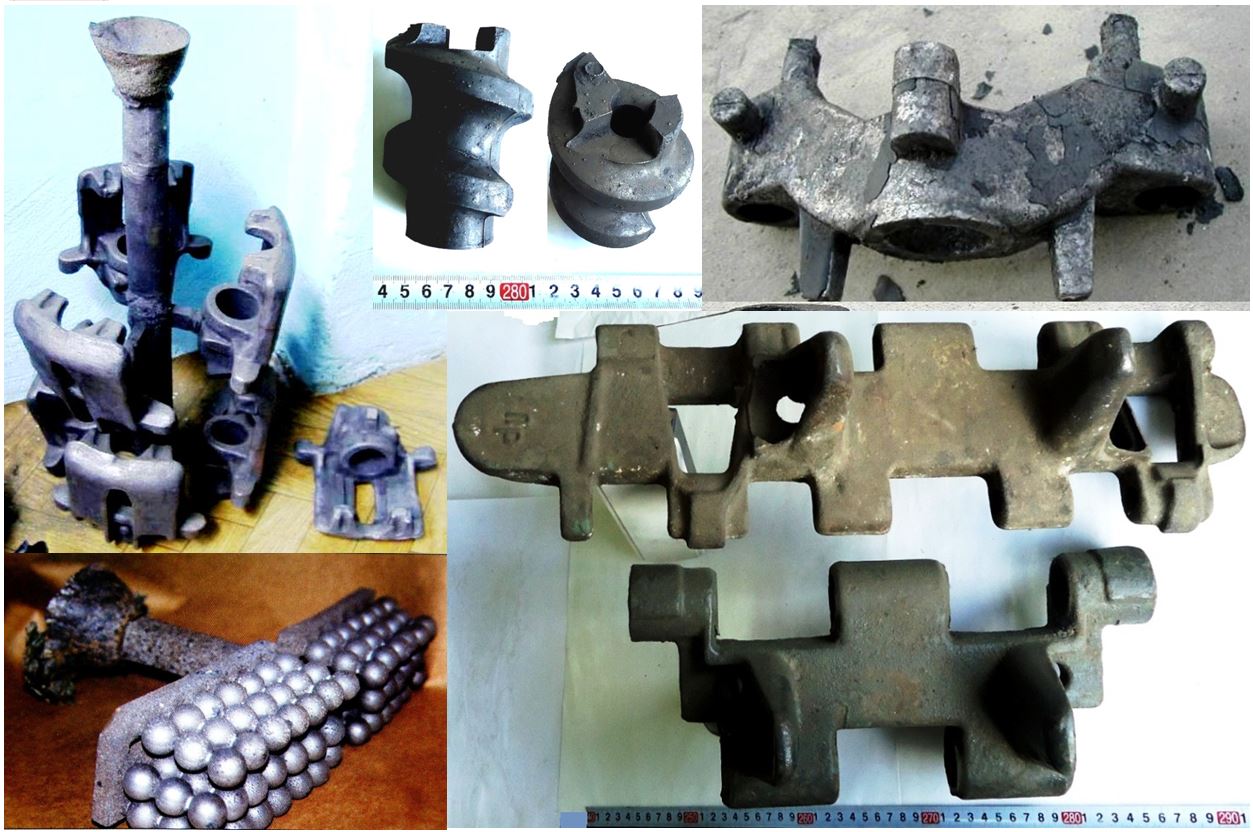
Figure 1. Models and details of the internal combustion engine.
Environmental safety of the technological process is ensured by the exception to the use of toxic binders, a large volume of molding and rod sand mixtures (usually at least 4 tons of a spent mixture with a binder, it goes into a dump for 1 ton), transporting them and knocking out castings. For example, 1 cubic meter. m of the polystyrene foam of the model weighs 25 kg, if it is replaced by 7 tons of liquid cast iron, then at the same time it is consumed 25/7 = 3.6 kg of the polymer. Whereas in the forms of resinly cold-confirming mixtures (HTS) when consuming 3% of the binding in the mixture for at least 3 tons of the mixture per 1 ton of casting, the consumption is 0.03x3000 = 90 kg of the polymer binder, or 90/3.6 = 25 times more. So that the foam model does not smoke in the workshop and to strengthen the shape, when pouring metal into the mold and during the period of its hardening, the gas pump is sucked from the container-about half the atmosphere is supported. Then, these gases should be served through the pipe of the vacuum system to neutralize the catalytic burning system, where they are oxidized to a level of at least 98% and in the form of a water vapor and CO2 are released into the atmosphere outside the workshop. Traditional forms after pouring metal are smoked in the room as if in no