






















Route optimization sounds simple until a driver loses fifteen minutes at an inaccessible loading entrance. Then the beautifully optimized sequence on screen becomes a list of missed promises.
The morning route may look efficient until the first customer asks to move a delivery window. A useful delivery route planner has to cope with late additions, failed stops and traffic delays rather than producing a beautiful map once a day.
Address quality is often the hidden bottleneck. Apartment numbers, loading-bay entrances and duplicate customer names should be cleaned before an address list is imported, or the driver ends up correcting the same mistakes on the road.
A closer look at the operating conditions
A delivery route planner is only useful if drivers can follow the stop order when parking, access restrictions and late orders change the day.
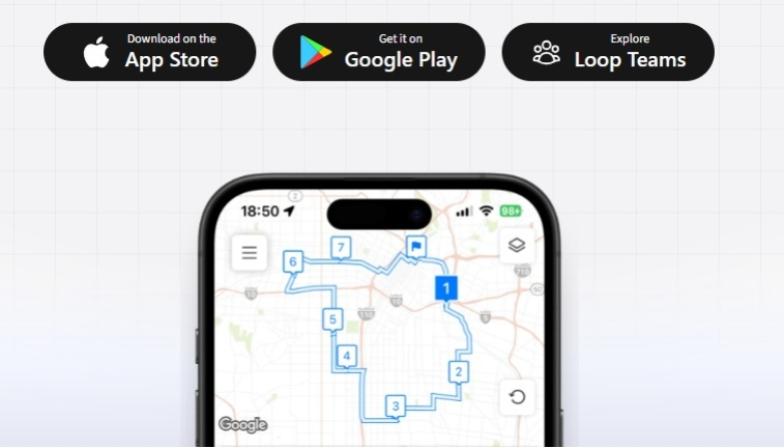
A multi stop route planner becomes useful when the route map matches the business's rules. A bakery delivery before opening, an office receiving dock available only in the afternoon and a customer who needs a signature are not interchangeable dots. Service time at each address should reflect unloading and handover, not merely driving distance.
Dispatchers also need a clean way to handle failed stops. If a driver marks a delivery unsuccessful, the system should preserve the reason and the next action rather than silently pushing the address back into tomorrow's list. Historical route data is most valuable when it separates traffic delays from unrealistic delivery windows and incorrect addresses.
Stop sequencing is only one constraint. Drivers also need to consider parcel size, service time, priority appointments, breaks and the point where a route should finish. The shortest driving distance is not always the lowest-cost plan.
For a small delivery team, test the software with an actual week of orders. Measure total distance, late arrivals, dispatcher corrections and how long drivers spend manually reordering stops. The comparison becomes fairer when recurring costs are spread over the realistic service period instead of judged from a single invoice.
The handoff matters: dispatch should be able to share an understandable route, and drivers should quickly see the next useful instruction. A route planning app that adds administration can cancel out time saved in the optimization engine.
When reviewing delivery route planner, turn the operating points above into a short written checklist. Record the intended use, acceptance criteria, responsibilities, and evidence needed before approval. This gives everyone a common reference when the quotation, sample, installation, or delivered result is reviewed.